
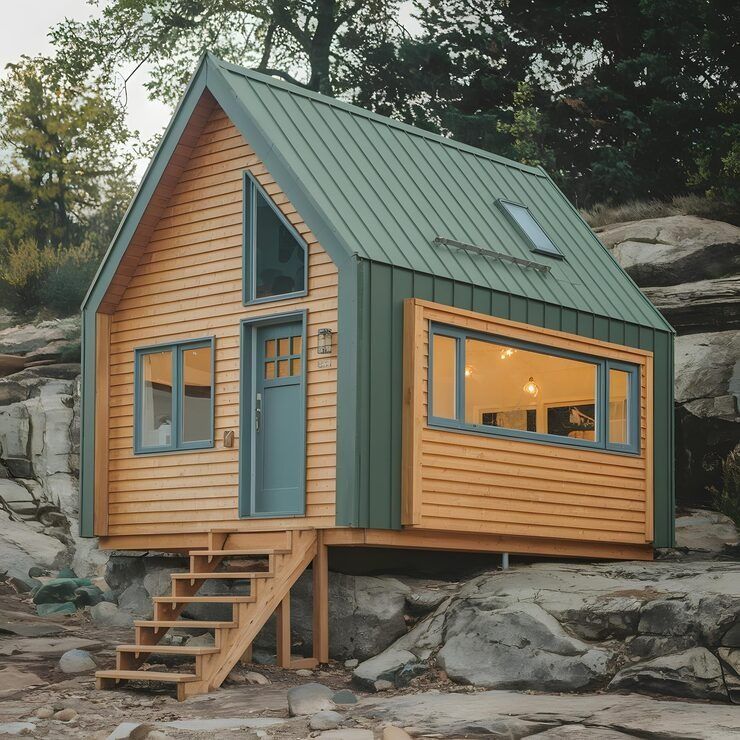
Rent keeps climbing. Lots keep shrinking. Somewhere in the middle of that mess people started asking, out loud, why they even need 2,000 square feet to begin with. Tiny house kits showed up as one answer — not the only one, but a decent one, for anybody who wants to actually own something without signing their life away to a thirty-year mortgage. It stopped being a fad a while back honestly. It's just a real way to get a roof over your head that's yours, full stop.
What You're Actually Getting With A Kit
Let's kill the myth right off — a tiny house kit does not assemble itself, nobody's house builds while they sleep. What you get is pre-cut lumber, a framing plan, and usually the trailer or foundation specs, plus instructions that kind of assume you've swung a hammer at some point in your life. Some kits throw in windows and doors already cut to size, which honestly saves you a ton of headache down the line. Other kits skip that part on purpose, keeps the price lower, but you'll spend more weekends on it.
Do You Need To Be A Contractor For This?
Short answer — no. Longer answer, it helps. A lot. If you've built a deck before, or even just hung drywall once in your life, you'll pick this up fast. Never touched a drill? You can still pull it off, just plan on more weekends than you think, and maybe rope in a buddy who knows framing. These kits are built forgiving. Gravity and bad weather, less so.
Kit Or Finished — Which One's Actually Right
This is where most people get stuck. A kit's cheaper upfront and lets you customize as you build, but it'll eat your time — sometimes months of weekends disappear into it. A finished tiny house for sale costs more out the gate but you're sleeping in it within days of it showing up. Neither path's wrong really, it just comes down to whether you've got more time or more money sitting around right now, because you're not gonna have a surplus of both.
The Trailer Is The Part Nobody Thinks About Enough
Here's the thing first-timers almost always miss. That trailer underneath isn't just a platform you plop a house onto — it IS the foundation, basically the whole structural backbone of your build. Get a cheap one or a poorly made one and it'll flex and twist going down the highway, and that movement cracks your drywall, jams your doors, starts leaks you won't even notice till months later when it's already bad. Spend the real money on a solid, properly rated trailer up front. Saves you from chasing the same three problems for years.
Weight Distribution Isn't Something You Can Skip
Tiny houses pack on weight fast once you throw in appliances, a water tank, all your stuff. If that weight isn't balanced right across the axles, towing gets dangerous — not just annoying, actually dangerous. One of those things that seems minor till you're on I-70 in a crosswind wondering why the whole trailer's swaying behind you. Get your axle rating and tongue weight dialed in from day one. Way cheaper than finding out the hard way.
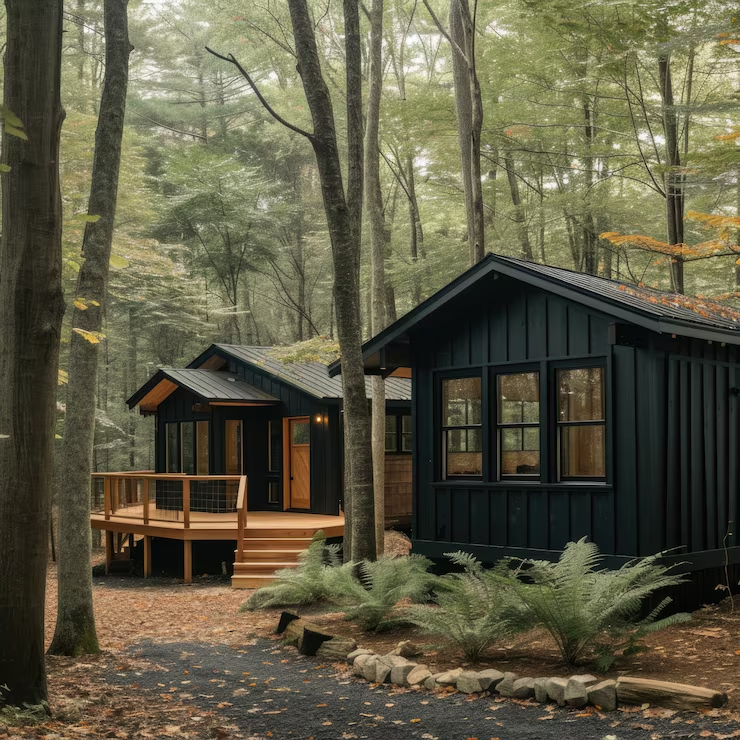
Where Are You Even Allowed To Park This Thing
Zoning laws around tiny homes are, honestly, kind of a mess. They change county to county, sometimes town to town. Some places lump them in with RVs, some call them accessory dwelling units, and some places just don't have rules written yet because nobody's bothered to ask. Before you buy a kit or order one built, call your local zoning office — don't trust some forum post from three years back, rules shift and what worked for your cousin two states over might not fly where you live.
The Real Draw Is Building It Your Way
Price isn't even the main pull for a lot of people, if we're being honest. It's that you get total say over what gets built. Want a loft bedroom with a skylight over the bed? Go for it. Want the kitchen bigger than the bathroom because you actually cook real meals? Also fine, nobody's stopping you. Try getting that kind of freedom out of a traditional home build where every change order costs you another three grand and two more weeks of waiting.
What Separates A Good Builder From A Sketchy One
Not all kit companies or builders are cut from the same cloth, and some will cut corners you won't spot until the house is already sitting on your property. Ask about the trailer's weight rating. Ask about insulation type. Ask whether the frame's treated against moisture — a builder worth your money won't flinch at these questions, they've heard them a hundred times before. If somebody gets cagey or dodges when you bring up structural stuff, walk away. That's not a small red flag, that's the whole flag.
Ready To Build Or Buy?
Whether you go the DIY route with tiny house kits or skip straight to move-in day, remember the trailer underneath is the part that quietly decides whether the whole thing holds up or falls apart in five years. Don't cheap out there, it's not the spot to save a few bucks. Visit Trailer Made Custom Trailers to start exploring trailer options built specifically for your next tiny house for sale or kit build — get something that'll actually survive the road, not just look good in the driveway.
Frequently Asked Questions
Are tiny house kits cheaper than buying a finished tiny house for sale?
Generally yes, kits run cheaper since you're the one providing labor. Just don't forget to factor in your own time, plus any tools you'll need to buy or borrow along the way.
Do I need a special trailer for a tiny house kit?
Yep — you need one rated for the exact weight and length of your build, not just whatever flatbed's sitting on a lot somewhere. This is the one spot where cutting costs almost always comes back to bite you.
Can I finance a tiny house kit like a regular mortgage?
Not usually, no. Most lenders don't classify tiny homes the same as a standard house, so you're more likely looking at a personal loan or RV loan. Talk to a lender early, before you've already bought materials.
How long does building from a kit actually take?
Depends a lot on your skill level and how much time you can throw at it on weekends. Some folks wrap it up in a couple months, others stretch it a full year working around a day job.